Sourdough – not just a Fad
Until around 100 years ago when commercial yeast became available, almost all bread was sourdough. The shape of pitta bread traces its origins back to the very first leavened breads of ancient Egypt, where naturally occurring yeasts from the wheat itself caused the bread to rise. Traditional English and Italian loaves, French and German breads, and many Mediterranean breads all share roots in these ancient breadmaking traditions. Before commercial production of bread, loaves had to be made with yeast from the brewer, as there was no refrigeration to keep alive yeast as we know it now. Bakers would visit the brewer of the community and would get something called barm from the brewer, a form of yeast scraped out of the brewing vats and used to make bread rise. But what if there was no brewer and you wanted leavened bread? In most communities there was always a brewer as alcohol was a necessity, but if you were travelling, a sailor, lived in isolation, or lived somewhere too cold to keep yeast alive, you needed another way to get yeast to make your bread rise, and this is where sourdough cultures come in.
People had to find a way to produce yeast from ingredients that wouldn’t spoil in such harsh conditions, and sourdough starters were what they came up with. People would use long-lasting ingredients that wouldn’t perish easily, such as wheat bran, flour, water, and molasses. They would then boil the mixture together, then set it in a warm place and allow it to grow until it formed an active yeast. During this process, natural yeasts from the air and ingredients would colonise the starter and begin fermentation, ready to use after being set aside in a cool place for a few days.
Commercial yeast is faster than the yeast produced by this process, more powerful, and convenient for churning out loaf after loaf. This is not the case for sourdough. Sourdough requires much more starter and it must also be tended to regularly, so it requires attention and resources that are considered inefficient by industrial processes. However, because commercial yeast rises so quickly, it does not leave time for the wheat to break down properly, and by using only one strain of yeast it does not carry the same gut health benefits as sourdough.
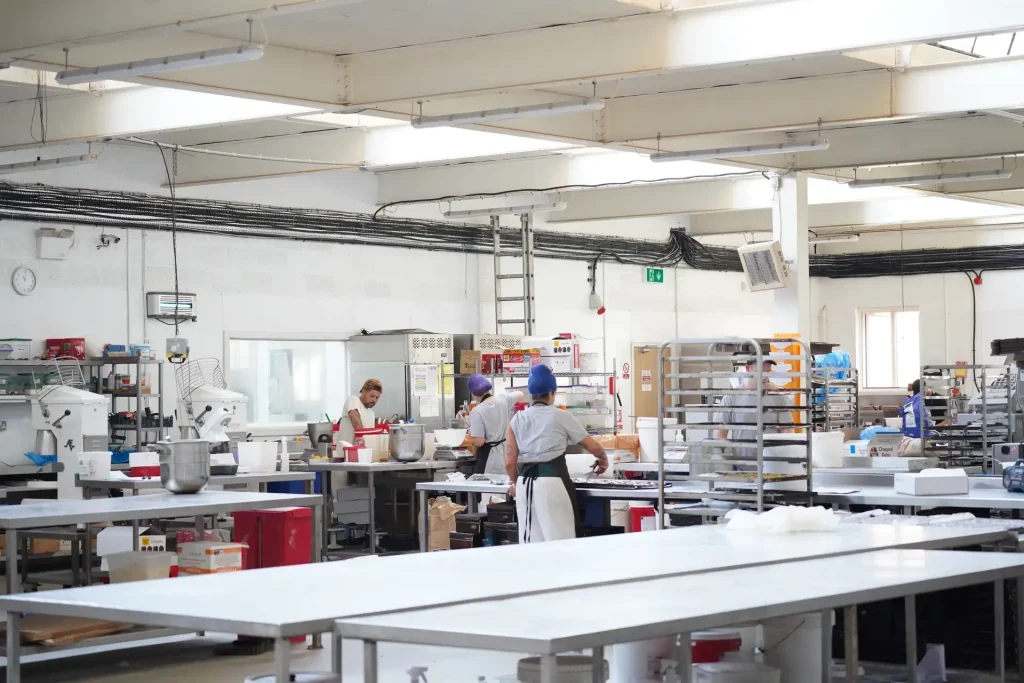
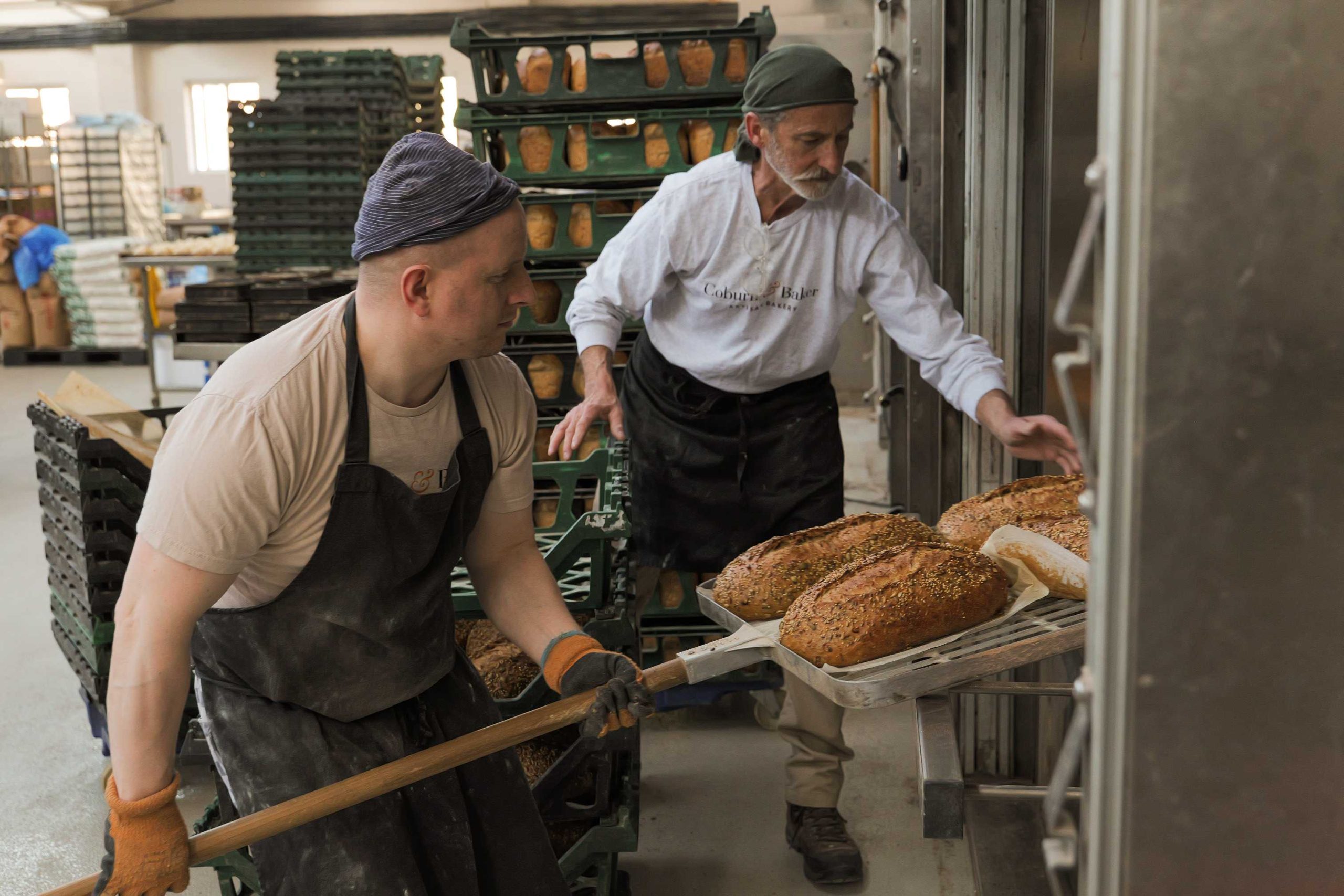
We know just how much attention a sourdough starter needs at Coburn & Baker. Since the birth of our starter nearly twenty years ago, we even have to take a trip over to the bakery every Christmas Day to make sure the starter gets fed too! While making sourdough bread is a much more labour-intensive process, its slower pace gives sourdough time to cultivate biodiversity in the yeasts and beneficial bacteria contained in a starter. This biodiversity contributes to gut health, and moreover, the flavour provided by the long fermentation process is unlike anything else.
Sourdough is more complex and aromatic, allowing the nuances of flavour to come through—the rye in a rye bread, the hoppy edge of a local beer, the earthy tones of wheat or barley, herbs, and whatever other ingredients are used. The longer fermentation develops flavours that commercial yeast simply cannot replicate.
Because there is no legal definition for sourdough in the UK, much of what is sold in supermarkets consists of highly processed imitation. These products often use additives and flavourings to reproduce the tangy taste of sourdough without using a live starter culture. Not only does this mean supermarket sourdoughs lack the true complexity of flavour found in traditional sourdough, they also do not deliver the same gut health and immune-support benefits associated with a genuine live-fermented loaf. That is why Coburn & Baker can assure customers that all of our sourdough bread is made from our own starter culture, and you can taste this in every single one of our artisan sourdough loaves.
RELATED ARTICLES

Becoming the Best at What We Do

We’re in The Argus!

Crafting the Perfect Centrepiece: A Guide to Our Bespoke Cakes